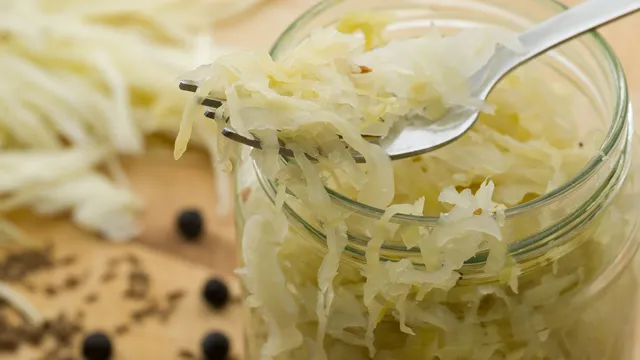
To get the most out of fresh produce, several preservation methods can extend its shelf life including canning, freezing, and fermentation. Fermentation is a simple process that preserves food far longer than standard fresh storage while transforming its flavor profile into something distinct and delicious. To explore detailed guides and safety tips, visit the National Center for Home Food Preservation.
Sauerkraut is one of the easiest ferments to start with because it requires just two ingredients: cabbage and salt. Always choose canning or pickling salt to avoid anti-caking additives that can interfere with the fermentation process. While approved recipes often reference a large 25-pound batch using ¾ cup of salt, you can easily scale down to any size using a 2% to 2.5% salt ratio by weight.
To do this, weigh your chopped cabbage in grams, then multiply that number by 0.02 (for 2%) or 0.025 (for 2.5%) to calculate your exact salt target in grams. Sprinkle the salt over the cabbage, let it sit for 30 minutes to draw out moisture, and massage it vigorously until plenty of liquid accumulates. Finally, pack the sauerkraut tightly into a crock or jar, ensuring the cabbage stays completely submerged beneath the liquid.
To keep all the cabbage submerged, weigh it down with a fermentation weight or a brine-filled bag. Fresher cabbage yields more liquid, but if you need extra, top it off with a 2–2.5% salt-water solution. Seal the jar with a specialized fermentation lid or use a standard lid and "burp" it daily to release gas. Taste the sauerkraut after a week; once it reaches your preferred tanginess, transfer it to the refrigerator, where it will keep for several months. For long-term shelf storage, you can also can the finished batch. National Center for Home Food Preservation Recipe for Canning
