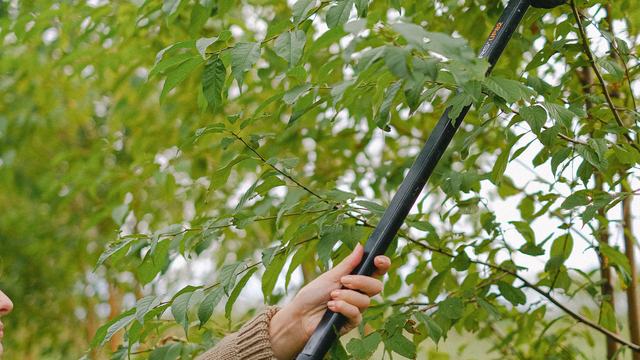
Use this calendar as a guide for ideal pruning times for Polk County.
January - It is not recommended in our area due to risk of ice storms destroying newly pruned plants.
February -
- Shade Trees: oak, hickory, beech, black gum, popular, sycamore, etc.
- Fruit Trees: apple, crabapple, pear, plum, cherry, peach and nectarine
- Grapes
- Summer Flowering Shrubs: crape myrtle, rose of sharon, butterfly bush, eleagnus, summer flowering hydrangea.
- Ornamental Grasses: Liriope, pampas grass, mondo grass, etc.
- Overgrown Broadleaf Shrubs: privet, boxwood, osmanthus, photina, holly, etc.
- Camellia: sasanqua
- Mountain Laurel
- Conifers (NOT PINES)
- Narrowleaf Evergreens: hemlock, juniper, arborvitae, leyland crypress, etc.
March
- Rose
- Nandina
- Abelia
- Spring Flowering Shrubs: spirea, forsythia, flowering quince, breath of spring, weigelia, lilac, etc.
April
- Azalea (light pruning AFTER flowering)
- Winter Damaged Plants
- Berry Producing Shrubs: holly, pyracantha, etc (prune while in flower)
- Spring Flowering Trees: flowering cherry, bradford pear, serviceberrry, etc. (prune only as needed immediately after blooming)
- Camellia: japonica
May
- Rhododendron
- Hedges: privet, abelia, holly, euonymus, boxwood, etc. (only as needed to keep tidy?
June
- Conifers and Narrowleaf Evergreens: hemlock, juniper, arborvitae, white pine, leyland cypress, etc. (Summer pruning of conifers is to shapen the plants to their desired size)
- Gardenia
- Perennials: phlox, shasta daisy, purple coneflower, rubeckia, etc. (remove old flowers to promote re-bloom)
- Chrysanthemums
- Hydrangea: macrophilia
July/August
- Rose (prune leggy plants only and fertilize after pruning for fall flowering)
- Hedges (as needed)
- Brambles: blackberry and raspberry (prune the wood that bore fruit, cutting the canes near ground level)
September/October
DO NOT prune shrubs or trees in late summer or early autumn. Pruning stimulates new growth which may not have time to harden off before frost. Remove dead wood from trees only.
November/December
- Weed Trees and Brush - Remove any underbrush now while it is easy to see.
Pruning plants, trees and shrubs results in healthier, more attractive specimens. Some pruning is functional -- it improves the health of the vegetation. Other pruning is purely aesthetic -- to enhance the look of the plant.
Some reasons to prune include:
- To encourage the plant to put energy into new growth.
- To redirect growth from one area of the plant to another.
- To prevent the spread disease.
- To increase the numbers and quality of fruit, flowers, and foliage
- To introduce shape and structure to a garden space.
- To expose colorful stems and bark.
This information is provided by NC Cooperative Extension. If you have any questions about pruning or the health of your shrubs and trees, please call Scott Welborn (Director/Horticulture Agent at (828) 894-8218. Or you can send photos of your plants for him to examine at his email: scott_welborn@ncsu.edu.