How to Season and Maintain a Cast Iron Pan
(Updated: Aug. 8, 2024, 7:13 a.m.)
Cast iron makes for a wonderful cooking surface. It's safe to use, lasts forever, holds heat like nothing else, and is naturally non-stick if it's properly seasoned. The only downside to cast iron is that it does require a little special maintenance for it to work well, and that can be intimidating to those of us who are used to materials like stainless steel and ceramic. The goal of this article is to demystify the cast iron care process, and hopefully convince you that it is both easy and worth the effort.
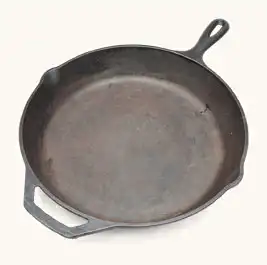
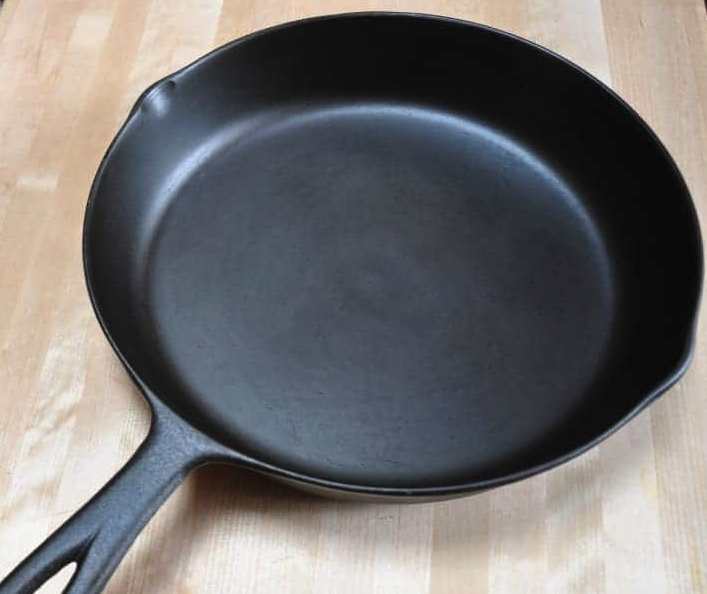
In order to season your cast iron the first step is to ensure that it is both clean and rust free. Since we are about to apply a new seasoning, it is okay to clean it well with soap before this process. But keep in mind that cleaning with soap after this process will remove the seasoning coat and you'll have to start over. Once your cast iron is clean and dry, follow the steps below to season it:
- Preheat your oven to 550 degrees F.
- Coat your cast iron generously in cooking oil and then wipe off excess so that the pan is coated in a thin layer. You shouldn't see any oil pooling, just a thin and homogenous layer. You can use any cooking oil you like, but I typically use vegetable oils like olive or canola
- Once your oven has preheated, place your cast iron pan inside and set a timer for an hour. It's a good idea to turn on your hood vent during this process, since we are intentionally bringing the oil past its smoke point and some fumes will be produced. You should never see flames or heavy smoke from this process since we only use a small layer of oil.
- After an hour, take out your cast iron and let it cool until you can handle it. Then repeat the process exactly as before. Usually, 3 cycles of this will give you a nice seasoning. However, you can do it as many times as you like. Each coat will make the seasoning a bit more thick and shiny.
Cleaning and Maintaining Cast Iron
When cleaning cast iron you must protect the seasoning layer. To do this, just remember these two things. Don't use soap (it will remove the seasoning), and don't use anything too abrasive (like steel wool). The easiest way to clean cast iron is with water and a towel as soon as it's cooled down enough to handle. The longer you wait after using it, the more difficult it will be to clean. If you have a good seasoning, it is usually no more difficult than a few quick wipes with a towel. Since we are not using soap, there may be a little cooking oil left in the pan after cleaning. As long as it's just a thin coat and is not enough to pool up, it is perfectly fine to leave it there, and it will even help develop your seasoning further. The most important thing to remember is to never leave any water in or on your cast iron, and NEVER leave it in a wet sink. It will rust very quickly in the presence of water.That is pretty much all there is to it! There are special tools you can get to make cleaning cast iron easier, but they are not necessary. If you have tough buildup on your pan, you can always boil water in it and scrape with a wooden spoon. That is typically enough for even the dirtiest pans. If the seasoning is starting to look a little worn down, you can rub in a thin layer of oil after cleaning and drying the pan. And if the seasoning is in very bad shape, you can always clean it with soap and apply a brand new seasoning using the method described above.
It may seem like a lot, but once you've done these steps and gotten to know your cast iron pan, you'll start to see why people love them so much! They can last for generations and they work so much better than other materials that the maintenance is well worth it. My favorite part of cast iron is that once you have a good seasoning, they are actually much easier and quicker to clean than other types of pans.
Join our mailing list!
Enter your email address to receive updates.
Written By

Contributors

More About